Boost Safety with Expert Garage Doorway Maintenance Tips
Garage doors constitute vital parts of a house that offer safety, convenience, and aesthetic value. However, they are often overlooked until issues arise. Failing to notice signs that your garage door requires repair can result in more significant problems down the line, not to mention potential dangers. This guide seeks to enhance your understanding of garage door maintenance and fixes by offering expert advice on frequent problems and solutions.
From understanding the most common garage door problems to knowing when to call a repair expert, we will discuss everything you need to ensure your garage door operates well and safely. Whether you're facing a loud garage door or a remote that won't work, our guidance will help you identify the best steps to take. With the right knowledge, you can keep your garage door operating at its best while avoiding costly repairs in the future. Let's dive in and delve into the key aspects of garage door maintenance and maintenance.
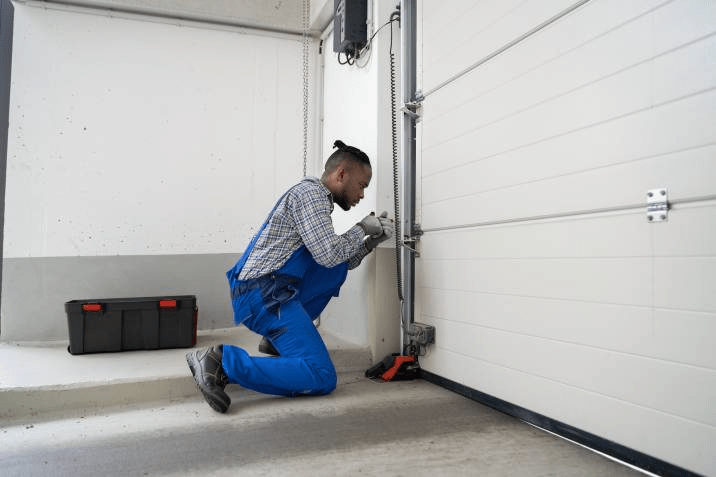
Symptoms Your Garage Door Needs Repair
One of the initial clues that your garage door calls for repair is when it starts to emit odd noises. If you hear grinding, squeaking, or thumping sounds during operation, this can imply that components are wearing out or that the door is not functioning as it should. Ignoring these sounds can cause more significant issues down the road, so it’s crucial to monitor any variations in the noise level when opening or closing the door.
Another obvious sign is if the garage door does not open or close effortlessly. If it hesitates, gets stuck, or only opens partially, this could point to problems with the garage door opener, springs, or tracks. These performance difficulties not only bother you but may also pose a safety risk, making it crucial to resolve them quickly. Regular maintenance of the door's movement can help detect these issues early.
Finally, an important sign that repairs are needed is apparent wear and tear on the door or its components. Look for fractures, dents, or rust, especially around the hinges and springs, as well as any damaged cables. Such damage not only affects the door's look but also its operation and security. Taking note of these signs can help ensure that critical repairs are made before they intensify into costly replacements.
Frequent Door Problems and Resolutions
One of the most common issues homeowners deal with is a garage door that will not open or close properly. This can stem from a malfunctioning garage door remote, dead batteries, or incorrectly aligned sensors. To diagnose this, start by verifying the remote power source and making sure that the sensors are clear and aligned. If the problem persists, inspect the opener motor to see if it is getting power.
Another common issue is a loud garage door, which can be caused by damaged rollers, hinges, or the requirement for lubrication. Consistent maintenance can help prevent this problem. To quiet a noisy garage door, spray a silicone-based lubricant on moving components, including the tracks, rollers, and hinges. If the noise persists, it may indicate that specific components need fixing.
Garage door springs are also likely to damage due to wear. A snapped spring can make your garage door non-functional and can pose safety concerns. If http://pdxgaragedoor.com/ see your door is particularly heavy or falls rapidly when shutting, it may indicate a broken spring. In this case, it is important to call a professional for fixing, as handling garage door springs can be dangerous due to their high tension.
When to Call a Professional
Knowing when to contact a specialist for garage door repair is vital for ensuring safety and functionality. If you see any signs of major wear or damage, such as a garage door that is uneven, making strange noises, or has broken springs, it is recommended to get expert assistance. Attempting to fix major issues without specialist expertise can lead to additional damage or personal injury.
Another indicator that it's time to call a professional is when you encounter electrical problems, such as a garage door opener that fails to respond or a remote that fails work. These issues often necessitate specialized knowledge to identify and repair safely. Additionally, if you’ve tried some basic troubleshooting—like checking the power supply or examining the sensors—but the problem continues, a professional can provide the expertise needed to address more complex issues.
Finally, if your garage door has been affected due to severe weather or an accident, hiring a professional is recommended. They can assess the damage accurately and offer the best course of action, whether it's fixing or substitution. By identifying these circumstances early, you can guarantee your garage door operates safely and effectively for years to come.