Boost The Safety: Discover the Advantages of Electrical Assessments
As move through daily life, it is simple to take the electrical systems in our homes and businesses for granted. However, ensuring the safety and efficiency of these systems is crucial. Electrical inspections play a critical role in spotting potential hazards and ensuring compliance with safety standards. Comprehending what an electrical inspection entails and its importance can empower homeowners and business owners alike to focus on their safety and investment.
In this article, we will delve into the myriad benefits of electrical inspections, ranging from enhancing home safety to improving energy efficiency. We will discuss common issues uncovered during inspections, the frequency at which inspections should be scheduled, and essential tips for preparation. Regardless of whether you are a homeowner, a new buyer, or a business owner, recognizing the importance of these inspections is crucial to safeguarding yourself, your family, and your property.
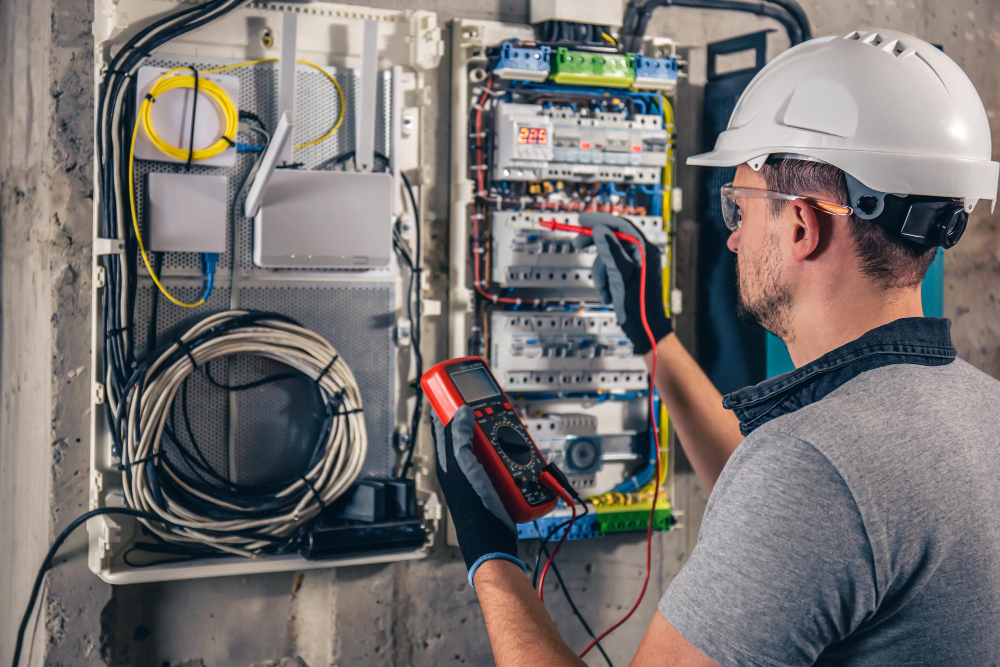
Understanding Electrical Assessments
Electrical evaluations are a vital aspect of maintaining the safety and efficiency of electrical systems in both business facilities. An electrical inspection involves a detailed evaluation of the electrical components, elements, and wiring to verify they adhere to safety standards and are operating efficiently. This procedure is essential in detecting any potential hazards, such as obsolete wiring, overburdened circuits, or faulty installations, which can pose serious risks, including electrical fires and electrical shocks.
The significance of electrical inspections cannot be overstated. They not just help in detecting existing problems but also serve as a proactive strategy against subsequent problems. Frequent inspections can extend the lifespan of electrical systems, enhance energy efficiency, and guarantee compliance with community laws and safety codes. For property owners and entrepreneurs alike, investing in regular electrical inspections is a prudent strategy to secure their properties and ensure a secure environment for inhabitants.
Understanding what to anticipate during an electrical inspection is essential for individuals getting ready for the assessment. Generally, a trained electrician will evaluate various aspects of the electrical system, including the primary service panel, cabling, outlets, and fixtures. They will also look for signs of deterioration, faulty grounding, and code violations. Having this knowledge prepares property holders and guarantees they can manage any issues effectively, leading to a safer living or working space.
Common Issues and Prevention
During electrical inspections, numerous frequent issues often surface that can jeopardize safety and performance. Aging electrical systems, such as old wiring setups or aluminum systems, can pose significant risks, including electrical fires. Additionally, overloaded circuits can result in overheating and potential hazards. Defective outlets and switches are another widespread concern, often arising due to wear and tear over time. Detecting these concerns early is crucial to maintaining a safe electrical system.
To prevent these problems, regular inspections are critical. Homeowners should make a priority of upgrading old wiring systems to meet modern safety standards. Installing circuit breakers that properly match the load requirements of the home can avoid overloads. It is also advisable to change any faulty outlets or switches without delay to prevent further complications. By remaining proactive with electrical maintenance, the risk of hazardous scenarios can be substantially lowered.
Knowledge is essential to preventing future electrical issues. Homeowners should be cognizant of the signs that indicate a need for an inspection, such as flickering lights, repeated circuit breaker activations, or burning smells near electrical outlets. Getting acquainted with basic electrical safety practices is helpful, especially for those who are new homeowners or unacquainted with their property's electrical systems. Taking https://electricalinspectionconditionreports.co.uk/ can help ensure the safety and durability of electrical systems in both domestic and commercial settings.
Security and Adherence
When it comes to electrical systems, safety and compliance are of utmost value. Inspections of electrical systems are designed to identify potential hazards and ensure that all configurations meet local codes and regulations. These codes are made to protect both the tenants of a home and the building itself from electrical malfunctions, which can result in blazes or other hazardous situations. Routine inspections help avoid accidents by ensuring that wiring, sockets, and equipment are operating correctly and safely.
Compliance with electrical regulations not only enhances safety but also serves as a legal requirement for many properties. Neglect to follow these standards can lead to significant sanctions, including fines and legal troubles. Moreover, properties that do not meet electrical inspections may face issues when it comes to selling or insuring the home. Property owners and business owners alike must know that proper compliance is a vital aspect of maintaining the integrity and security of their assets.
In addition to this to ensuring safety and adherence, electrical checkups can also enhance energy effectiveness. An inspection can uncover inefficient or suboptimal systems that may be using more power than necessary. By tackling these issues, homeowners can make educated decisions about enhancements and substitutions, ultimately leading to reduced energy costs and a reduced environmental impact. Routine inspections are essential to enhancing both safety and effectiveness in any establishment.