Harnessing Nature: The Field Behind Heat Pumps
With the rising demand for energy-efficient solutions grows, heat pumps have become as a well-liked alternative for home heating and cooling. Go here of thermodynamics to move heat from the outdoors to the indoors or the other way around, providing a versatile climate control solution. With progress in technology and an heightened focus on sustainability, homeowners are increasingly interested about how heat pumps work, their benefits, and whether they are the suitable choice for their homes.
In this article, we will explore all aspects of heat pumps, including their efficiency relative to traditional HVAC systems, the best installation practices, and how they function in varying climates. We will also delve into the environmental advantages of using heat pumps, the possible financial savings on energy bills, and the various types present today. Whether you are considering a heat pump for a new build or a upgrade project, our guide will provide valuable insights to help you make an informed decision.
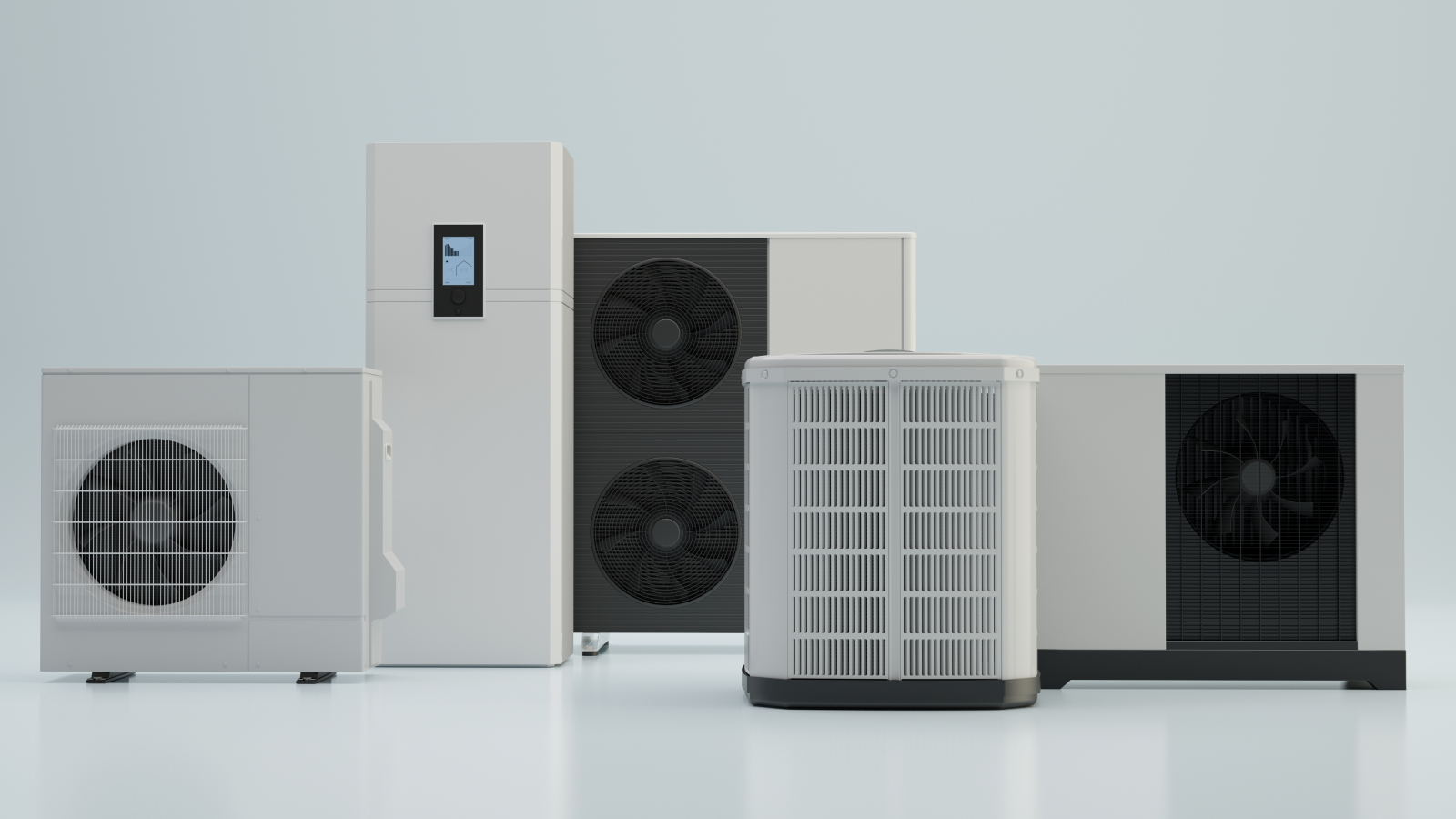
Grasping Heat Pumps
Heating pumps are versatile heating and cooling systems that move heat from one place to a different location, making them an effective alternative to traditional HVAC systems. They function on a fundamental principle: by taking heat from the air, ground, or water and moving it indoors during the winter, and the opposite in the summer. This procedure significantly reduces the energy needed to maintain comfortable indoor temperatures, leading to lower energy costs and reduced environmental impact.
There are various types of heating pumps, including air source, earth-based, and water source pumps. Aerothermal heat pumps are the most typical and are suitable for various climates, while ground source heat pumps, also known as ground-based heat pumps, take advantage of the earth's consistent underground temperature. Each type has its distinct installation requirements, efficiency ratings, and costs, which can make comprehending the options available daunting for homeowners.
The efficiency of heating pumps is assessed by their coefficient of performance (COP), which reflects the proportion of heating output to the energy used. Typically, heat pumps can deliver three or four times the amount of energy consumed, making them significantly more efficient than conventional heating systems like boilers or electric heaters. As technology progresses, heat pumps are becoming an progressively popular selection for providing eco-friendly comfort in homes, raising inquiries about their function in the upcoming of residential climate control and cooling systems.
Heat Pump Systems Performance and Performance
Heat transfer systems are well-known for their efficiency, often surpassing conventional heating and cooling systems. The essence of their effectiveness lies in their ability to transfer heat rather than produce it. For each unit of electricity utilized, a heat pump can provide multiple units of heating or cooling to your home. This effectiveness is measured using the Coefficient of Performance (COP), which shows that heat pumps can achieve levels of three or more, indicating they produce three times the volume of energy they require.
Functionality can differ based on environmental factors, such as ambient temperature and humidity levels. In frigid climates, some heat pumps may struggle to draw sufficient heat from the outside air, which can affect their efficiency. However, modern advancements in heating technology have led to the development of winter-ready heat pumps specifically designed to sustain functionality even when temperatures fall drastically. This increased reliability allows property owners in frigid areas, such as Minnesota, to regard heat pumps as a practical and highly functional option for all-year comfort.
To maximize the effectiveness of a heat pump, adequate installation and service are crucial. An well-sized unit will perform more optimally, while regular maintenance checks can avoid common issues and ensure maximum efficiency. Property owners can also take advantage of automated thermostats and zoning systems to improve their heat pump's operation, reducing energy bills while providing consistent indoor comfort. By grasping the nuances of heat pump functionality, property owners can make educated selections about their heating and cooling choices.
Installation and Upkeep Advice
When setting up a heat pump, it's essential to begin with a detailed evaluation of your home's size, insulation, and existing duct systems, if applicable. A reliable heat pump installer will perform a capacity calculation to determine the correct size and type of system for your specific needs. This ensures optimal performance and energy efficiency. Additionally, take into account the location of the outdoor unit; it should be placed away from strong winds and obstructions to minimize future issues.
Consistent maintenance is key to maximizing the lifespan of your heat pump. Homeowners should schedule annual inspections with a qualified technician to clean the coils, assess refrigerant levels, and examine electrical components. Furthermore, changing or cleaning filters every one to three months can greatly enhance efficiency and indoor air quality. Maintaining the outdoor unit clear of leaves and snow will also help ensure airflow and prevent system strain.
It’s crucial to stay alert for signs that indicate your heat pump may need servicing or upgrading. Unexpected noises, unstable temperature control, or a significant increase in energy bills can all indicate underlying issues. If your system is over 10 years old and experiencing frequent problems, it may be time to consider an upgrade to a more advanced model. Investing in a state-of-the-art heat pump will not only improve comfort but also offer prospective savings on energy costs in the long run.