Improve The Comfort: Navigating the AC Setup Process
When the rise in warm warmer season, making sure of a comfortable and pleasant atmosphere in your home is a primary priority. This task of installing new air conditioning unit might appear daunting, however it doesn't need to be. By using air conditioning installation Ewell and direction, you can upgrade your convenience and navigate the installation process smoothly. Here is a comprehensive manual that will guide you throughout everything you need to understand about AC installation, including identifying the indications that it's the right time for a system to understanding what.
Whether you are choosing among traditional air and mini-split systems systems choosing the appropriate the suitable capacity for your area, this article article covers every essential factors of AC installation. We also also respond to common questions, list the advantages of hiring in expert help, and showcase the latest innovations in technology which can improve your AC unit's performance. In conclusion, you should have a clear understanding of ways to make the best decision for the home and how to make sure of a smooth setup procedure.
Signs That You Should Get a Replacement Air Conditioner
As summer warms up, your air conditioner must be cooling your home efficiently. If you see variable cooling or warm spots in different areas, it may be a sign that your system is struggling and should get replacement. Additionally, if your unit is producing warm air even with lowering the thermostat lower, this could indicate a problem with the refrigerant or additional critical components that might warrant getting a different system.
Another sign to look out for is an rise in your energy bills. If you discover that your utility costs are rising significantly without an increase in usage, your old air conditioner may be working harder than necessary to maintain a comfortable environment. Over time, wear and tear can diminish efficiency, leading to higher energy consumption. Investing in a new system could help you save you money in the long run.
Lastly, consider the age of your air conditioning unit. Most systems have a lifespan of around 10 to 15 years. If your air conditioner is near or has surpassed this age, it may be time to assess its performance. Frequent repairs or breakdowns can be both problematic and costly, making a fresh installation a sensible choice for ensuring reliable cooling in your home.
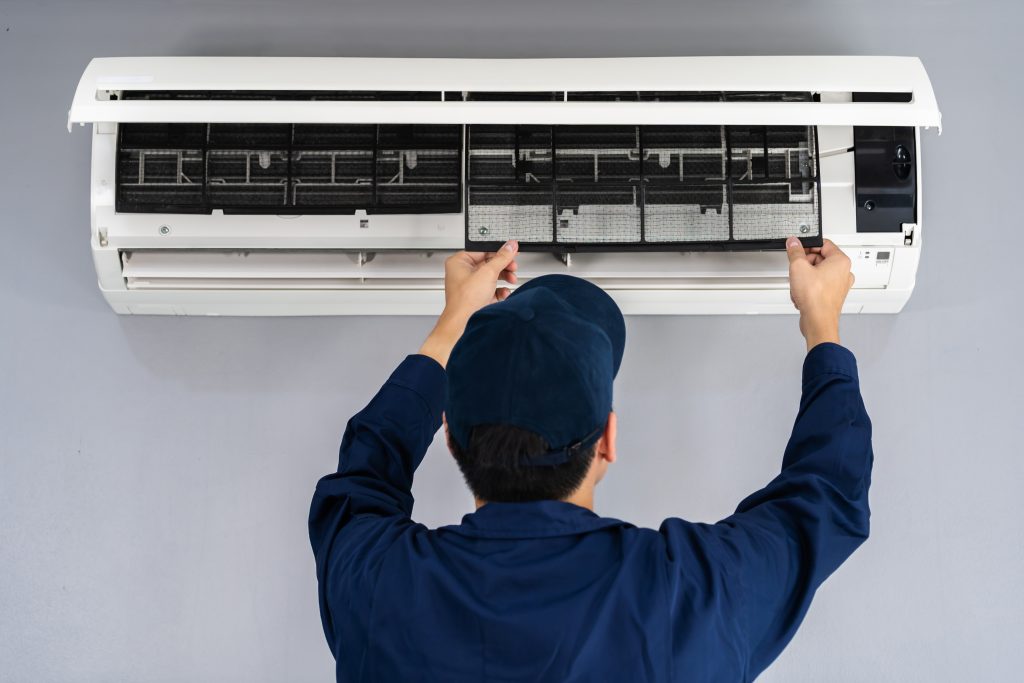
Selecting the Appropriate Air Conditioning System
Determining the best air conditioning system for your home is important for ensuring satisfaction and energy efficiency. Begin by analyzing the dimensions of your home and the distinct cooling needs of each room. Larger spaces may require centralized cooling systems with ductwork to distribute cool air evenly, while little homes or certain areas might be suited for ductless mini-split systems that offer versatility and focused cooling. Take into account factors such as the layout of your home, the number of windows, and the amount of insulation to identify the most ideal option.
Another critical aspect is understanding the various energy efficiency ratings associated with air conditioning systems. The SEER rating is a valuable metric that indicates how well an AC unit operates. Search for systems with elevated SEER ratings, as they consume less energy and can significantly diminish your utility bills. Additionally, investigate the newest innovations in air conditioning technology, such as intelligent thermostats, which improve energy management and provide more regulation over your home's climate.
Don't forget to consider the long-term costs, including installation and maintenance. While opting for a more affordable system might seem appealing initially, investing in a higher-quality unit and professional installation can conserve you money in the long run by reducing repair expenses and improving energy efficiency. Investigate various brands and read reviews to identify reputable manufacturers and service providers, ensuring you make a smart decision for your new air conditioning system.
The Installation Process: What Should You Expect
Once you opt to set up a new air conditioning system, the process generally starts with a consultation from a professional installation company. Throughout this initial visit, the technician will assess your home’s layout, size, and existing ductwork, as needed applicable. They will go over your cooling needs, preferences, and budget, aiding you choose the right air conditioner for your space. This step includes considering energy efficiency and determining the best placement for the unit to guarantee optimal cooling performance.
After the suitable air conditioning system is picked, the installation day will be set. On the day of installation, the crew will show up to get ready the site, which may include dismantling an old unit if necessary. Then, they will install the new system, which involves linking the refrigerant lines, electrical components, and, as necessary, the ductwork. The process may last several hours to complete depending on the complexity of the installation, but the crew will ensure everything is functioning as it should before leaving your home.
Following the installation, the technicians will perform a comprehensive check to ensure the air conditioning system functions efficiently. They will also provide instructions on how to use the new system and discuss maintenance tips for enhancing its lifespan. Qualified installation not only ensures that the system is set up correctly but also helps you steer clear of common mistakes that could impact performance. By the end of the day, you can anticipate a correctly installed air conditioning system ready to keep your home pleasant.