Revitalizing History: Revitalizing Antique Rock Elements in the House
Every home has a story, and frequently, it can be told through the stunning stone features that have withstood the test of time. Ranging from grand marble floors to rustic granite countertops, these surfaces are not just functional; they are a testament to craftsmanship and heritage. However, over time, even the most stunning stone can show signs of deterioration. This is where stone restoration steps in, breathing new life into your antique stone elements while preserving their unique qualities.
Understanding the significance of stone restoration is crucial for homeowners who wish to maintain the beauty and value of their home. Not only does restoration improve the aesthetic appeal of stone materials, and it also plays a critical role in shielding them from additional damage. In this article, we will explore the comprehensive guide to stone restoration, professional services, and the transformative effects of restoring these natural materials. Whether you are facing typical wear and tear or looking to restore historic elements of your home, the right information and techniques can create all the difference.
Grasping Natural Stone Restoration along with The Significance
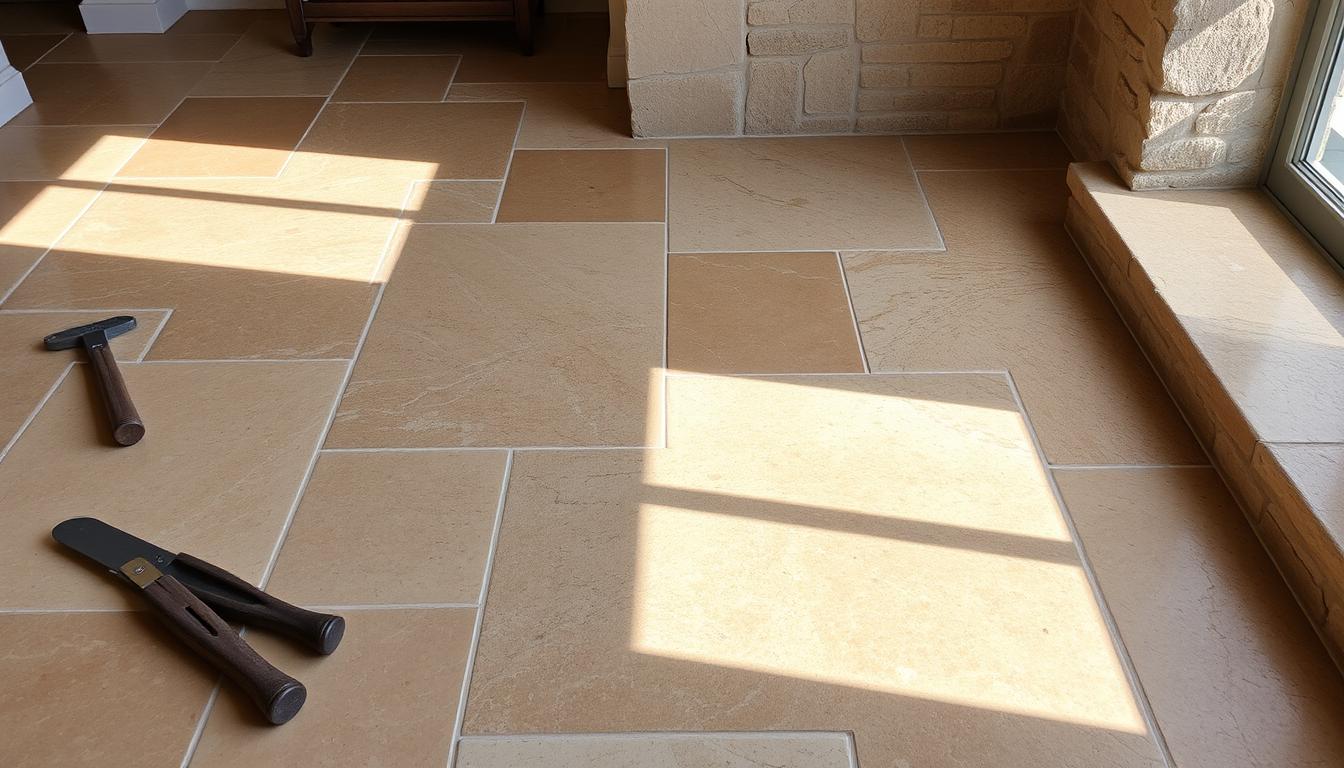
Stone restoration is the process of repairing and restoring the surfaces of natural stones, such as marble, with the goal of restoring their initial aesthetic and functionality. Over time, these surfaces can become damaged, stained, or damaged due to daily use, moisture exposure, and the environment. This process involves scrubbing, repairing, polishing, and protecting these materials to improve their visual appeal and lengthen their lifespan. This method not only maintains the aesthetic of residential properties and business locations but also adds to the overall value of the real estate.
The significance of natural stone restoration cannot be overemphasized. Many homeowners and property managers may not recognize that unmaintained stone materials can lead to greater issues, such as structural damage or expensive replacements. By addressing minor damages early in advance through professional restoration work, individuals can avoid larger repairs in the future. Furthermore, well-maintained stone surfaces create a welcoming atmosphere and improve the entire attractiveness of both residential and business spaces.
In addition to enhancing appearances and preventing damage, this process plays a vital role in maintaining the historic and cultural significance of antique structures. For heritage properties and historic structures, proper restoration techniques ensure that the authentic materials and craftsmanship are saved for future generations. This commitment to repair not only respects the history but also boosts community economies through increased property values and tourism, showcasing the lasting appeal of natural stone in building design.
Specialized Strategies for Efficient Stone Refurbishment
Effective stone refurbishment depends on a variety of professional methods that guarantee surfaces regain their original look and longevity. One main technique is diamond grinding, where diamond-embedded tools are used to remove nicks and etching from the stone's surface. This method not only polishes out defects but also boosts the stone’s luster, causing it look newly polished. Additionally, honing can be applied to change Visit website of the stone, giving a matte appearance for those who prefer a matte finish.
A further crucial aspect of stone restoration is the use of tailored cleaning agents tailored to the type of stone being treated. Professionals evaluate the stone's material—whether it’s marble, granite, or travertine—and select appropriate cleaning solutions that penetrate and get rid of dirt, grease, or stains without resulting in damage. After cleaning, technicians often execute a thorough rinsing and drying process to avoid any residue from affecting the stone’s look. Furthermore, sealing the surface after the cleaning process is essential for safeguarding the stone from upcoming stains and wear.
In conclusion, repairing cracks and chips is an essential technique within stone refurbishment. Experienced technicians apply resin fillers that can be matched in color to the original stone, ensuring a flawless repair. This process not only reestablishes the structural integrity of the stone but also improves its aesthetic appeal. Once repaired, the stone can experience final polishing or sealing, which solidifies the restoration and prolongs its life. The mix of these professional techniques allows for a thorough approach, successfully transforming and refreshing stone surfaces.
Care and Maintenance for Renovated Stone Surfaces of Stone
Once your stone surfaces have been refurbished, maintaining their beauty and integrity is essential. Routine cleaning is the first phase in this process. Use a pH neutral cleaner specifically designed for genuine rock to avoid damaging the surface. Avoid harsh chemicals or abrasive scrubbing pads, as they can remove safeguarding sealants and cause marks. A gentle cloth or mop will help in gently removing dirt and grime while maintaining the finish of the surface.
In addition to regular cleaning, it is important to have your renovated stone surfaces of stone sealed. Sealing protects against stains, moisture, and everyday use. Depending on the kind of rock and the usage, the application of sealant should be performed every one to three years. Frequent check the coating for damage, especially in busy areas, and renew as necessary to ensure maximum protection.
Lastly, be cognizant of how you use your newly restored surfaces. Place pads or coasters under heated items, prevent dragging heavy objects over the stone, and address spills immediately. This proactive approach will help avert any future damage and prolong the life of your restored stone surfaces, ensuring they remain beautiful for several years to come.